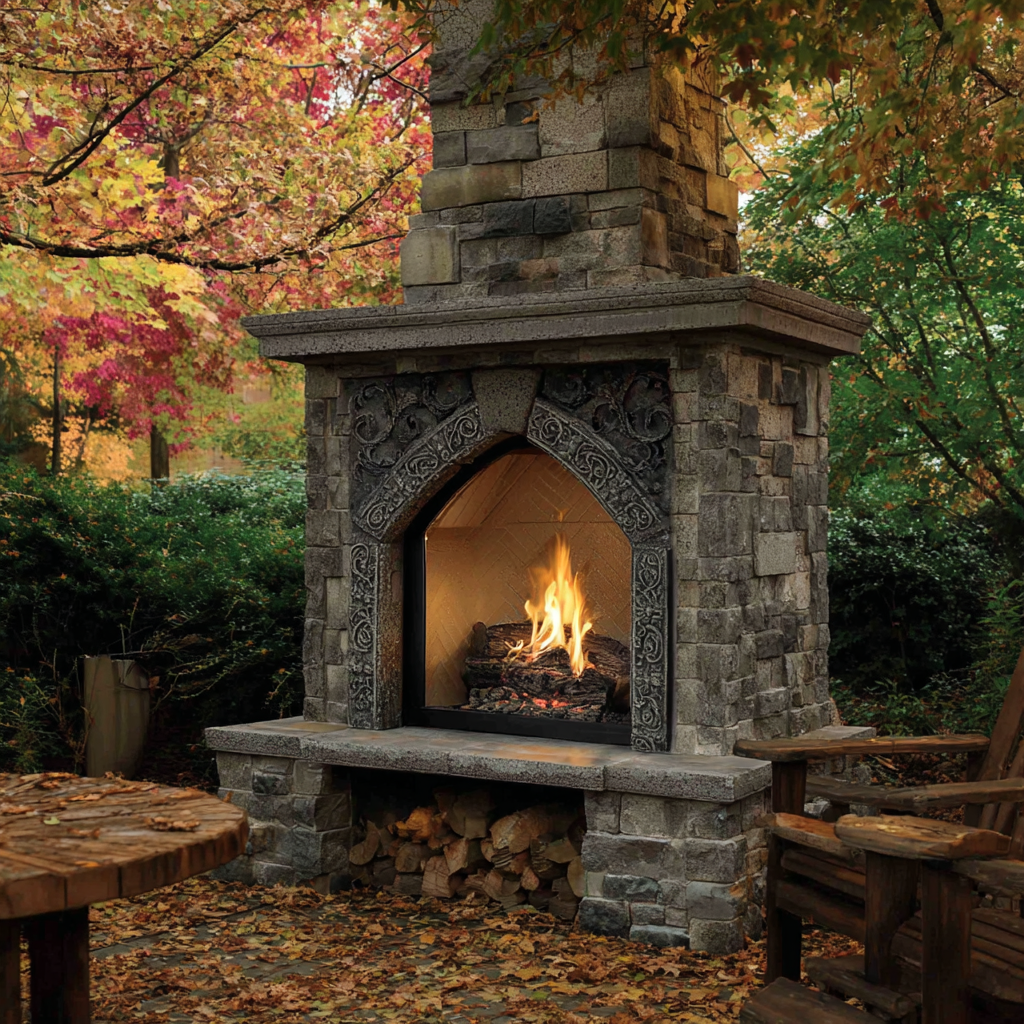



A fireplace is a major investment in your home's comfort and style. But before you can curl up with a good book and a warm drink, you have a crucial decision to make: what type of fireplace is right for you?
The choice between gas, electric, and wood-burning fireplaces depends on a number of factors, including your lifestyle and home's structure. To help you decide, we've broken down the pros, cons, and maintenance for each option.
Wood-Burning Fireplaces
The classic choice that evokes a sense of nostalgia and tradition.
Pros
- Authentic ambiance: Nothing compares to the crackle and pop of a real wood fire. The rustic smell and feel are unmatched by any other option.
- Independent heat source: A wood fireplace provides heat even during power outages, making it a reliable backup.
- Increased home value: A well-maintained, traditional wood-burning fireplace can be a significant selling point for a home.
Cons
- High maintenance: This is the most labor-intensive option. You'll need to chop or buy wood, stack and store it, and regularly clean out ash and soot. You also need a professional to inspect and clean the chimney at least once a year to prevent dangerous creosote buildup.
- Poor efficiency: Much of the heat generated by a traditional wood-burning fireplace goes right up the chimney, making them less efficient for heating your home.
- Safety concerns: Wood fires produce sparks and embers and require constant supervision. They also produce smoke and can lead to carbon monoxide concerns if not properly vented.
Maintenance
- Daily: Remove ash and clean the glass on the fireplace door.
- Weekly: Check and clean the interior of the firebox.
- Annually: Schedule a professional chimney cleaning and inspection to remove creosote buildup.
Gas Fireplaces
The perfect blend of traditional style and modern convenience. See our full range of gas fireplaces.
Pros
- Convenience and control: Gas fireplaces ignite with the flip of a switch, a remote control, or even a smartphone app. You have precise control over flame height and heat output.
- High efficiency: Gas fireplaces are excellent for zone heating. They contain the flame in a sealed chamber, with most models converting 70% or more of their energy into heat.
- Low maintenance: You don't have to deal with ash or soot. An annual professional inspection is all that's typically required to ensure safety and proper function.
- Clean burning: Gas burns cleanly, producing no smoke, sparks, or fine particulates, which is a great benefit for indoor air quality.
Cons
- No authentic wood smell: While the flames are real, they don't offer the unique smell or crackling sounds of a wood fire.
- Dependent on utilities: In the event of a gas or power outage, your fireplace will not work.
- Hot glass: The glass front can become extremely hot and requires a safety screen, which is especially important for homes with children or pets.
Maintenance
- Annually: Schedule a professional service visit to inspect for leaks and ensure all components are working safely.
Electric Fireplaces
The most versatile and hassle-free option for any space. See our full range of electric fireplaces.
Pros
- Easiest installation: Most models can simply be plugged into a standard electrical outlet. There's no need for venting, a chimney, or gas lines, making them perfect for apartments, condos, and bedrooms.
- Exceptional safety: Electric fireplaces produce no actual flames or combustion byproducts, eliminating the risk of carbon monoxide, fire, or burns. The glass remains cool to the touch.
- Year-round use: The flame effects and heat can be operated independently, so you can enjoy the cozy ambiance even on a warm summer evening.
- Low maintenance: These are the easiest to maintain, with no ash, soot, or chimney to worry about.
Cons
- Less realistic: While flame technology has come a long way, some purists feel that the fire effect doesn't quite match the realism of a gas or wood flame.
- No heat during power outages: Like any electric appliance, it won't work if the power goes out.
- Heat limitations: They are very effective for providing supplemental heat in small to medium-sized rooms but are not designed to be a primary heating source for a large home.
Maintenance
- Occasional: Simply dust or wipe down the glass and exterior to keep it looking new. No professional service is required.
Which One Should You Choose?
- Choose wood if you value the classic, authentic experience and are willing to invest the time and effort in maintenance and fuel.
- Choose gas if you want the visual appeal of a real flame and high-efficiency heating with the convenience of a remote.
- Choose electric if you prioritize safety, ease of installation, and a low-maintenance solution for a cozy ambiance anywhere in your home.
Still weighing it up? Browse every fireplace we stock to compare models side by side.